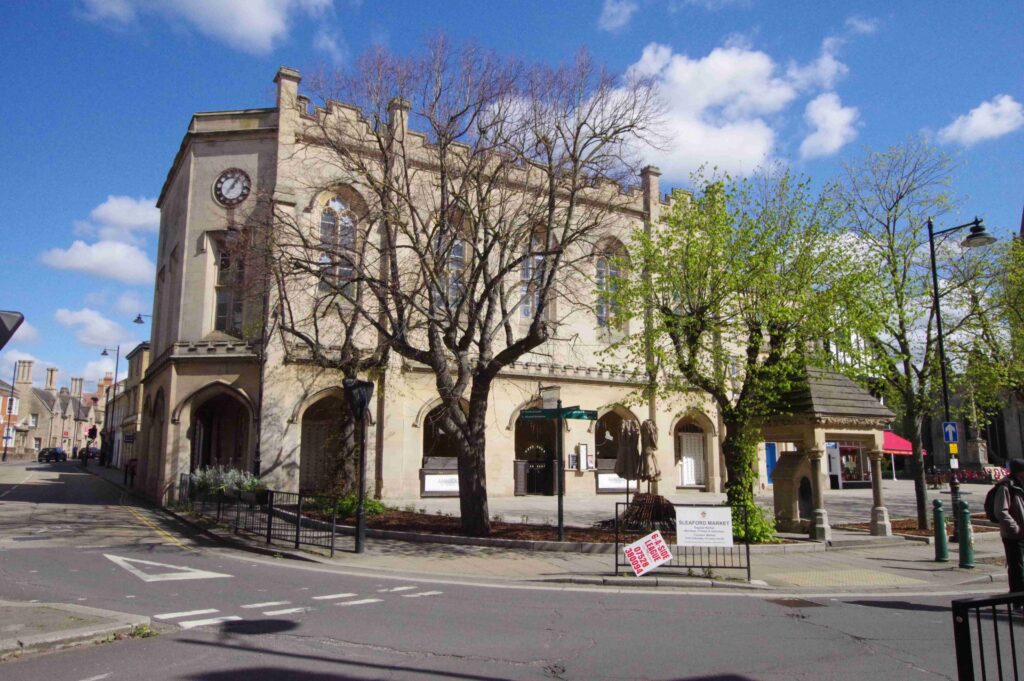
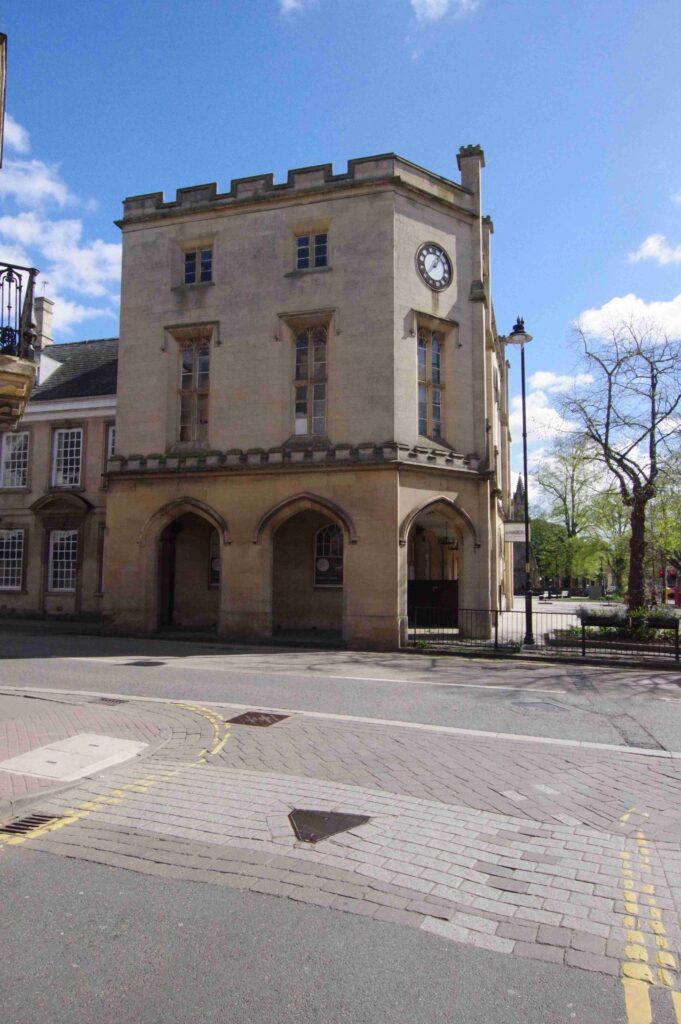
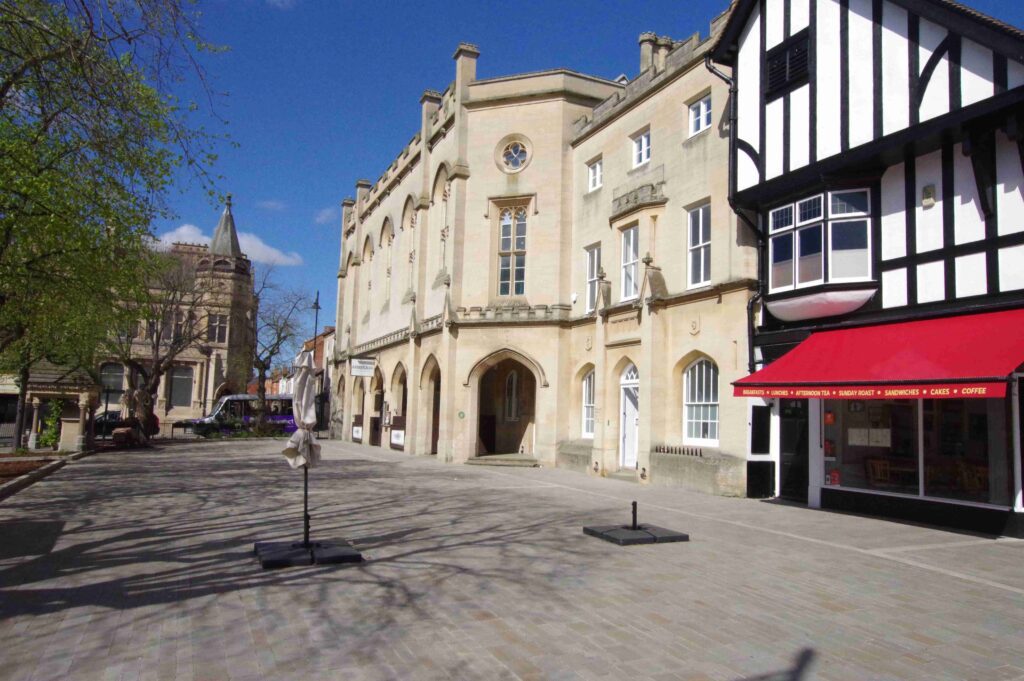
Planning permission has been granted for the demolition works required to start the restoration of The Sessions House, a Grade II* Listed property on St George’s square in Sleaford.
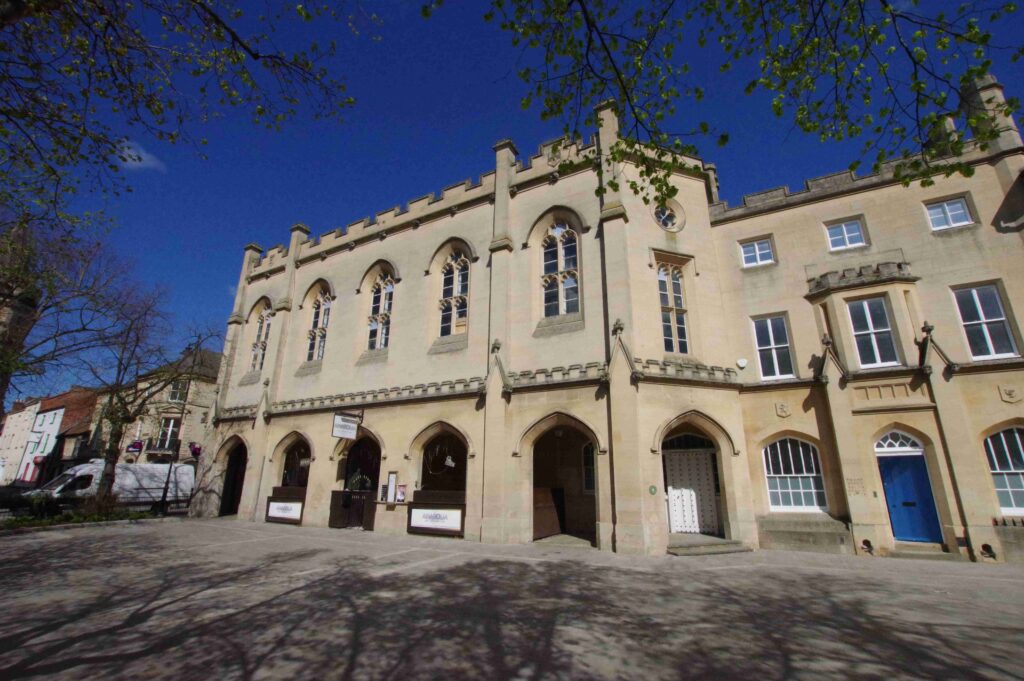
The Sessions House was first built as the town hall in 1755, but was replaced with the sandstone building we know today in 1831. The new Sessions House was used as the town hall and the courthouse, until the court services were finally fully moved to Grantham in 2008. Since then the building has been converted for commercial use, by a restaurant and a fitness studio. However in 2025 a fire broke out within the property which lead to extensive internal Fire and water damage as well as destruction of a large portion of the roof.
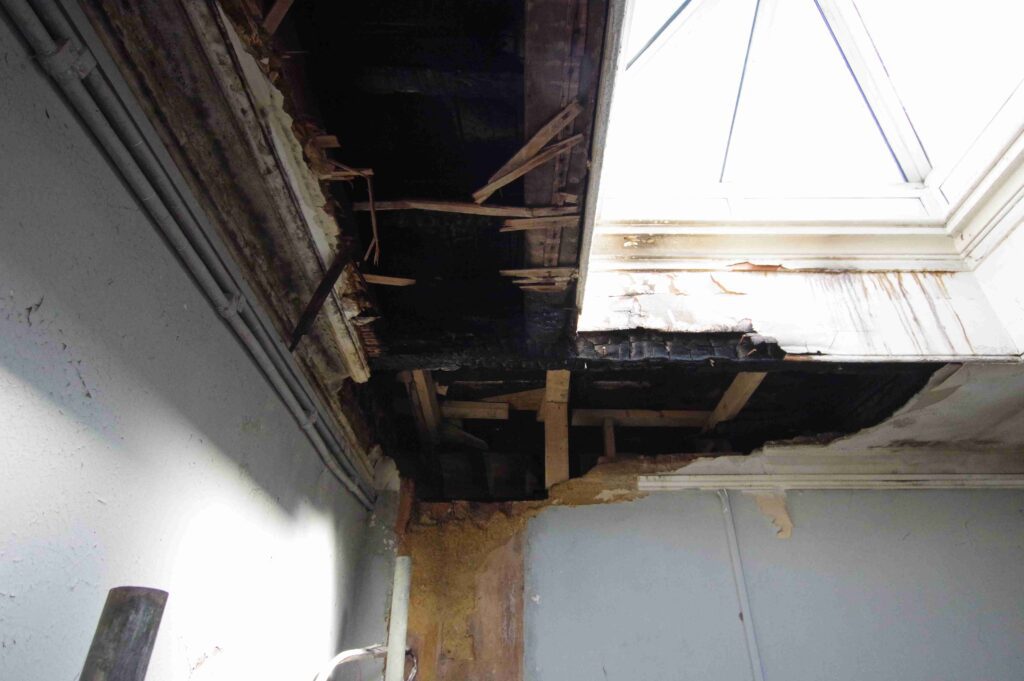
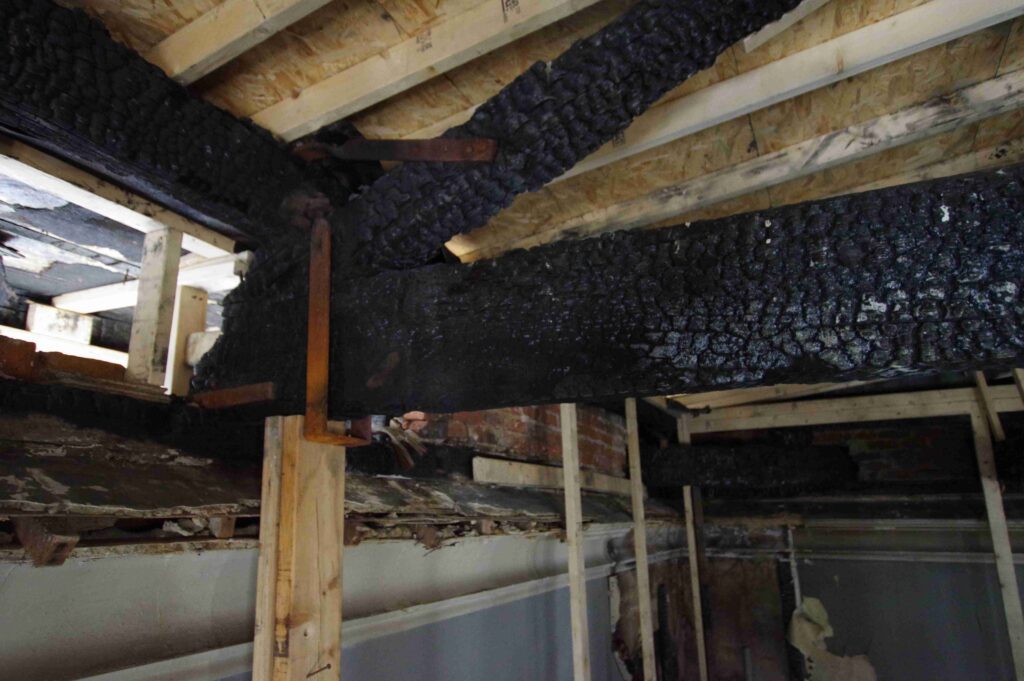
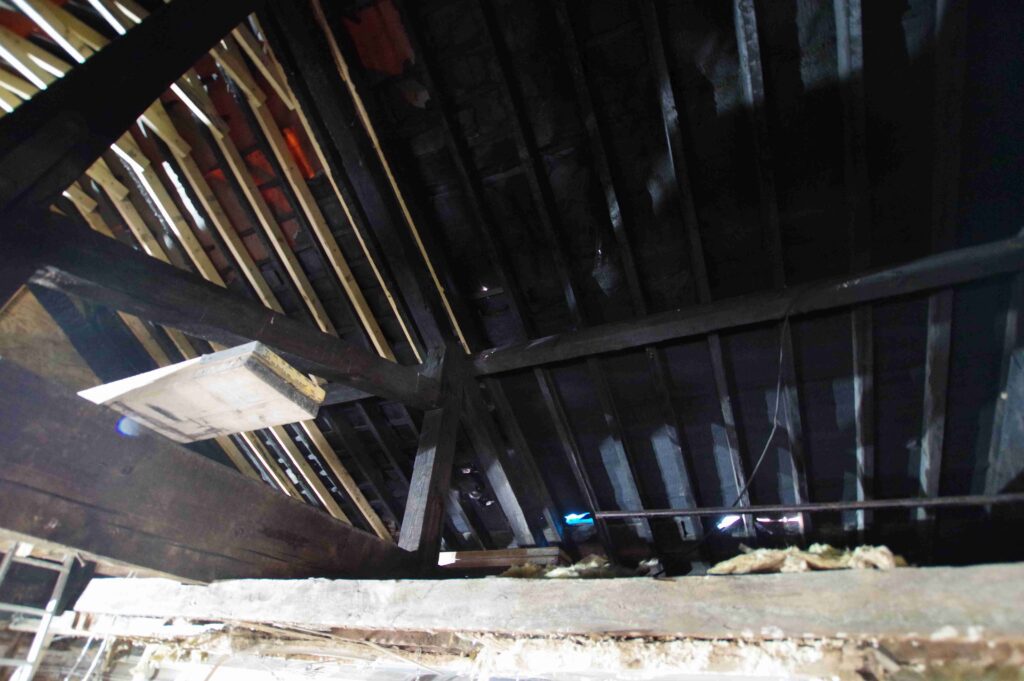
Because Grade II* or higher status is only given to 8.3% of listed buildings in the UK (with 2.5% of that being Grad I, the highest listing available) the planning process can be much more complex. For example in this project planning permission is not required for reinstalled items which match elements which had been destroyed in the fire. However changes to materials and finishes make during the restoration would require planning permission, as well as removal of any damaged structure still within the building, including the removal of char to the existing timbers and removal of the lath and plaster ceiling which may have been significantly weakened by the volume of water used to put out the fire.
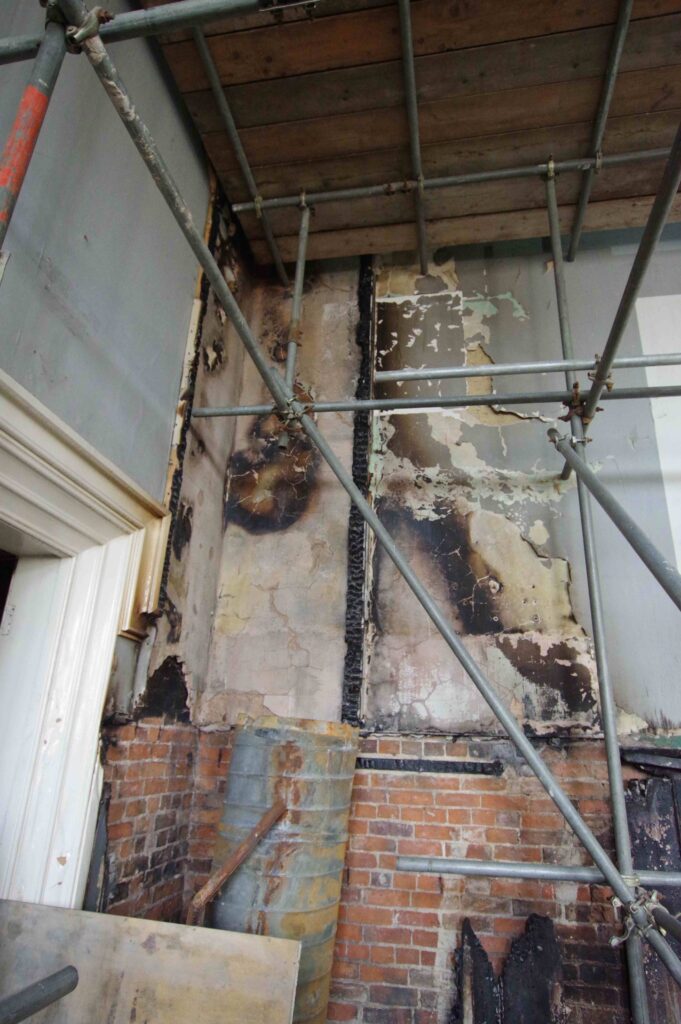
This planning application will be part of a 2 Step application process. Because of the building’s listing planning permission is required for the removal of fire damaged parts of the building which are suspected to be damaged, but haven’t entirely collapsed. This also includes permission to carry out investigative works like Dry Ice Blasting, where pellets of dry ice are blasted at the fire damaged timber and finishes. Unlike sand blasting, which is an abrasive process, stripping away the outer layers, dry ice blasting is non abrasive, as the frozen carbon dioxide pellets rapidly cool the surfaces they hit, causing thermal shock and lifting the damaged surface from the undamaged material below. A second application will be required once the full extent of the fire damage has been exposed, to request permission for the installation of new finishes and structural members.
To find out more about our experience with heritage projects or to enquire about or drone survey services please feel free to contact us at 0115 922 9831 or by filling out our online form